

This Weekly Update provides members with the latest news from the association as well as important education-related developments. CSBA was recently the subject of a malicious cyberattack resulting in outages to some internal systems, including the primary CSBA website, training registration and email marketing systems. […]
Author: Alisha Kirby
California could go from an F to A grade in personal finance education over next 5 years

The National Endowment for Financial Education (NEFE) gave California an F grade in its 2026 National Report Card on State Efforts to Improve Financial Literacy in High Schools, but projects the state could earn an A grade by 2031.
New technology toolkit seeks to create common understanding around use of tech in schools

Common Sense Media on Sept. 29 released a collection of free resources to support families, teachers and district leaders to support thoughtful, developmentally appropriate decisions about technology use in the classroom.
California School News Weekly Update: October 16, 2026
This Weekly Update provides members with the latest news from the association as well as important education-related developments. CSBA was recently the subject of a malicious cyberattack resulting in outages to some internal systems, including the primary CSBA website, training registration and email marketing systems. […]
Larkspur-Corte Madera SD takes a holistic approach to edtech bolstered by staff, student and family engagement

The start to the 2026–27 school year in Larkspur-Corte Madera School District (LCMSD) looked a bit different than prior years. The first two weeks were device free in the K-8 district, which serves about 1,200 students in the Bay Area. Each grade level received six lessons focused on digital citizenship and wellness created by Common Sense Media. Educators focused on creating a positive classroom climate and culture, setting expectations for technology use and how to work and engage with one another.
New research shows continued achievement gaps for youth experiencing homelessness, offers recommendations to support stronger outcomes

New research from the UCLA Center for the Transformation of Schools documents persistent disparities in academic achievement, graduation, attendance and school discipline, as well as substantial racial and geographic disparities among children who experience homelessness.
Webinar highlights how improving family engagement among students experiencing homelessness can improve attendance

Research has long shown that strong family engagement at schools can improve student achievement and help combat chronic absence, but for the more than 1.5 million students experiencing homelessness, it’s even more crucial to helping children reach graduation.
New research looks at use of academic criteria in reclassifying English learners

Should academic criteria be used in the process of reclassifying multilingual/English learners (ML-ELs) as English proficient? The answer is not straightforward, according to research released Sept. 18 by the Brookings Institution. The study examined what happens to secondary school ML-ELs when a state brings academic content knowledge into the reclassification process.
Small Schools, Big Ideas: North Cow Creek School District Leader in Me
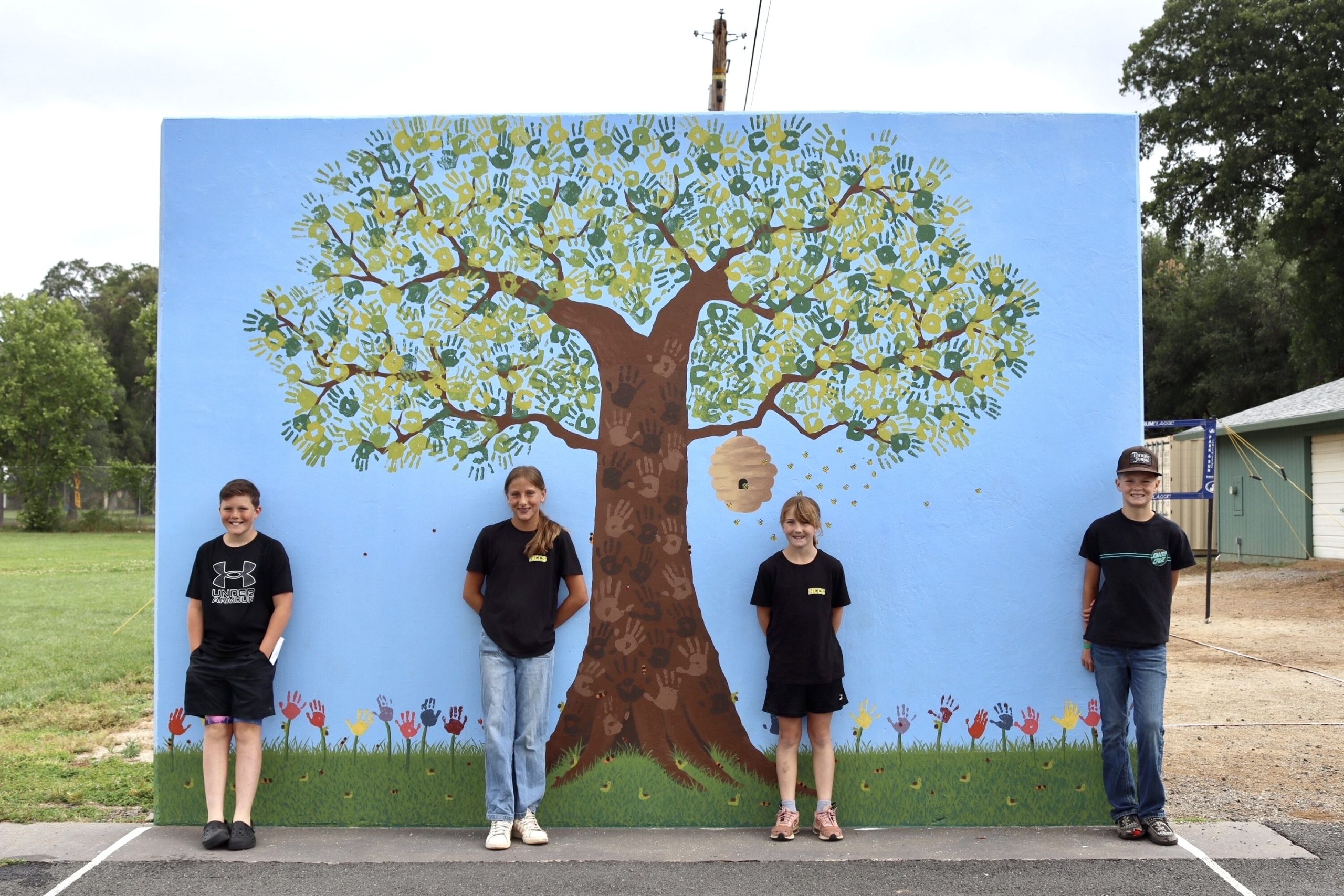
North Cow Creek School District, a single school-district located in the countryside of Palo Cedro, which serves about 280 TK-8 students, wants to ensure every student is ready to lead.
Experts call for stronger procurement of AI and better measurement of how it impacts student learning

Most artificial intelligence (AI) tools in K-12 classrooms are still judged by adoption, engagement and how much time they save educators, rather than the impact they have on teaching and learning, according to a Sept. 16 panel discussion hosted by Brisk Teaching, a platform that provides educators with AI-driven tools.