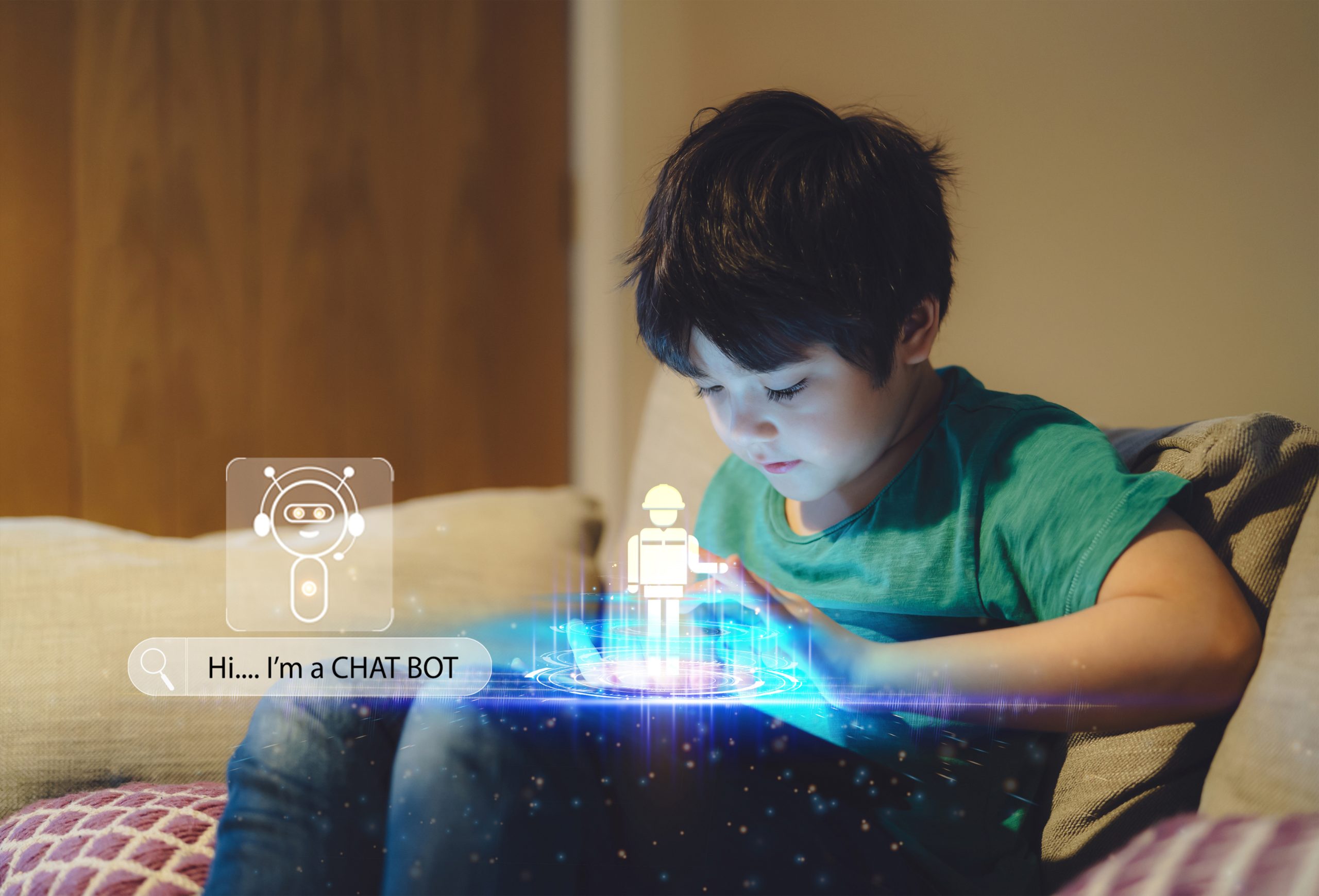

Common Sense Media’s recent risk assessment of the use of artificial intelligence (AI) chatbots for supporting teens’ mental health concluded that overall, the tools pose an “unacceptable” risk as the likelihood of a harmful event occurring is too likely and the consequence of any harm caused is too high.
Category: artificial intelligence
AI’s risks and benefits according to teachers and students
A recent report from The Center for Democracy and Technology, Hand in Hand: Schools’ Embrace of AI Connected to Increased Risks to Students, provides the results of nationally representative surveys of high school students, middle and high school teachers and parents regarding artificial intelligence (AI) in 2024–25 and four emerging hazards related to its use in education.
AI, cybersecurity are top edtech priorities for states
Artificial intelligence (AI) was a top education technology (edtech) priority for states during the 2024–25 academic year, surpassing cybersecurity for the first time, according to the 2025 State EdTech Trends Report by the State Educational Technology Directors Association (SETDA) in collaboration with Whiteboard Advisors.
Research highlights areas of concern with AI teacher assistants
Generative artificial intelligence (AI) tools offer genuine benefits for educators when used correctly. However, without proper training, oversight and integration into schools, teacher assistant platforms including Google Classroom’s Gemini Teacher Assistant, Khanmigo’s Teacher Assistant, Curipod and MagicSchool pose a risk to students, according to a […]
Policies needed to guide AI use among school communications professionals
Results from a recent survey of 200 National School Public Relations Association (NSPRA) members from K-12 districts nationwide found that artificial intelligence (AI) tools are rapidly transforming how school districts connect with their communities, and details how these tools are being used and what policies, […]
Report explains how and why teens are using AI companions
A recent national representative survey of 13- to 17-year-olds found that 72 percent of teens have interacted with artificial intelligence (AI) companions, with 52 percent deemed as regular users who access the platforms “a few times a month or more,” 21 percent using it a few times per week and 13 percent utilizing it daily.
Survey finds AI tools not meeting most teachers’ needs, especially in rural areas
While artificial intelligence (AI) tools are gaining ground in schools, national survey results released in May from The Learning Agency show that they’re not reaching rural communities at the same pace as urban communities, and many teachers say the tools often don’t meet their needs. […]
Social companion bots need stronger safeguards to protect minors
Interactions between children and companion chatbots could exacerbate mental health problems and addiction and lead to increased risk of self-harm, according to a new study from Common Sense Media and Stanford School of Medicine’s Brainstorm Lab for Mental Health Innovation. Companion bots are artificial intelligence […]
CITE shares AI resources for educators at CSBA webinar
On June 10, CSBA’s AI Taskforce hosted its fourth and final webinar, “Navigating AI Policy, Privacy and Procurement with CITE: A primer for TK-12 board members,” which covered five elements that local educational agencies can explore as they consider artificial intelligence (AI) and how it may fit into their schools.
Experts detail the pros and cons of AI and young people’s well-being
As the rapid advancement and accessibility of generative artificial intelligence (AI) tools such as ChatGPT transform how children interact, learn and socialize, researchers and parents alike have begun to question the impacts these shifts will have on children’s development and socialization. Despite potential benefits, some […]