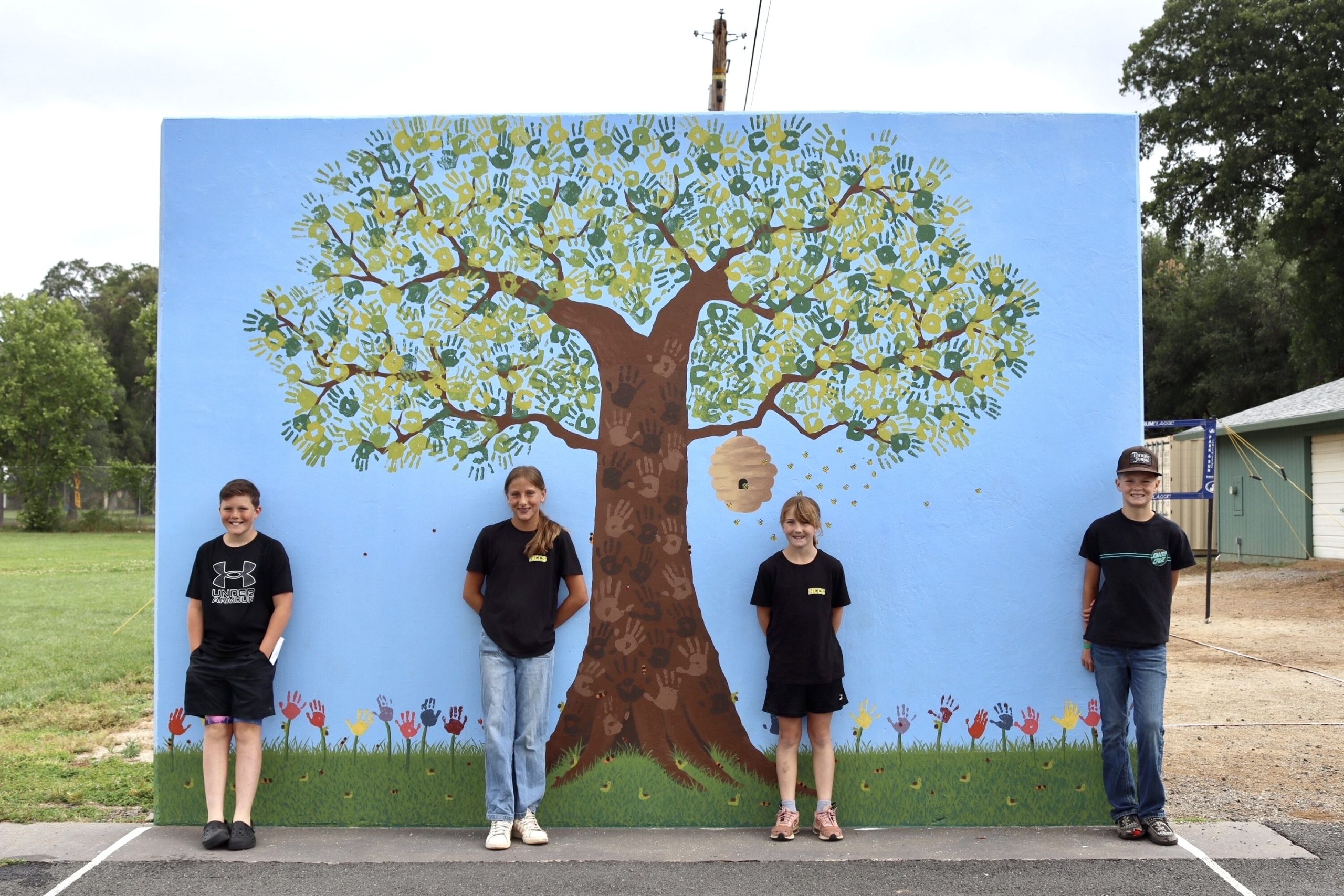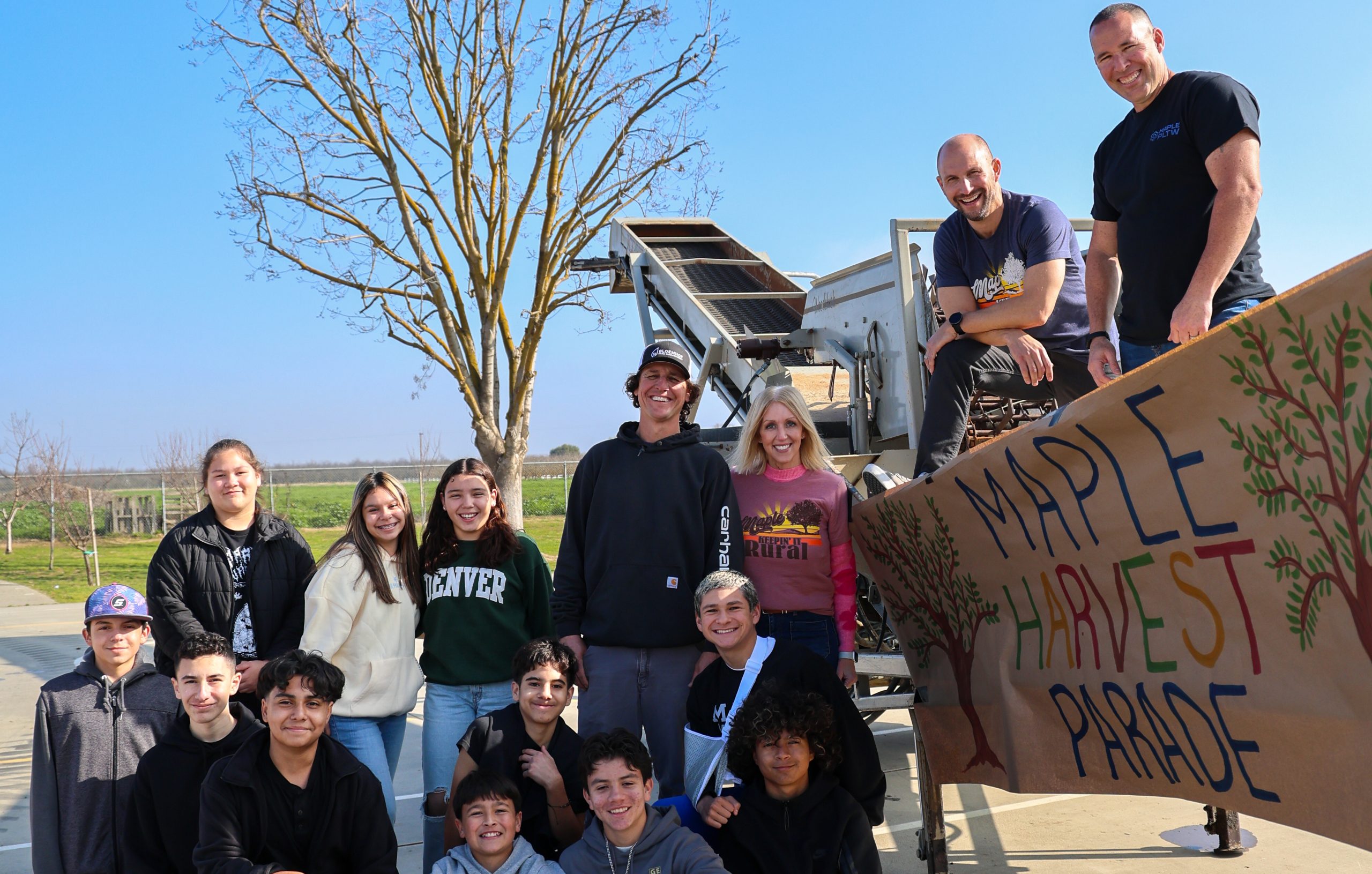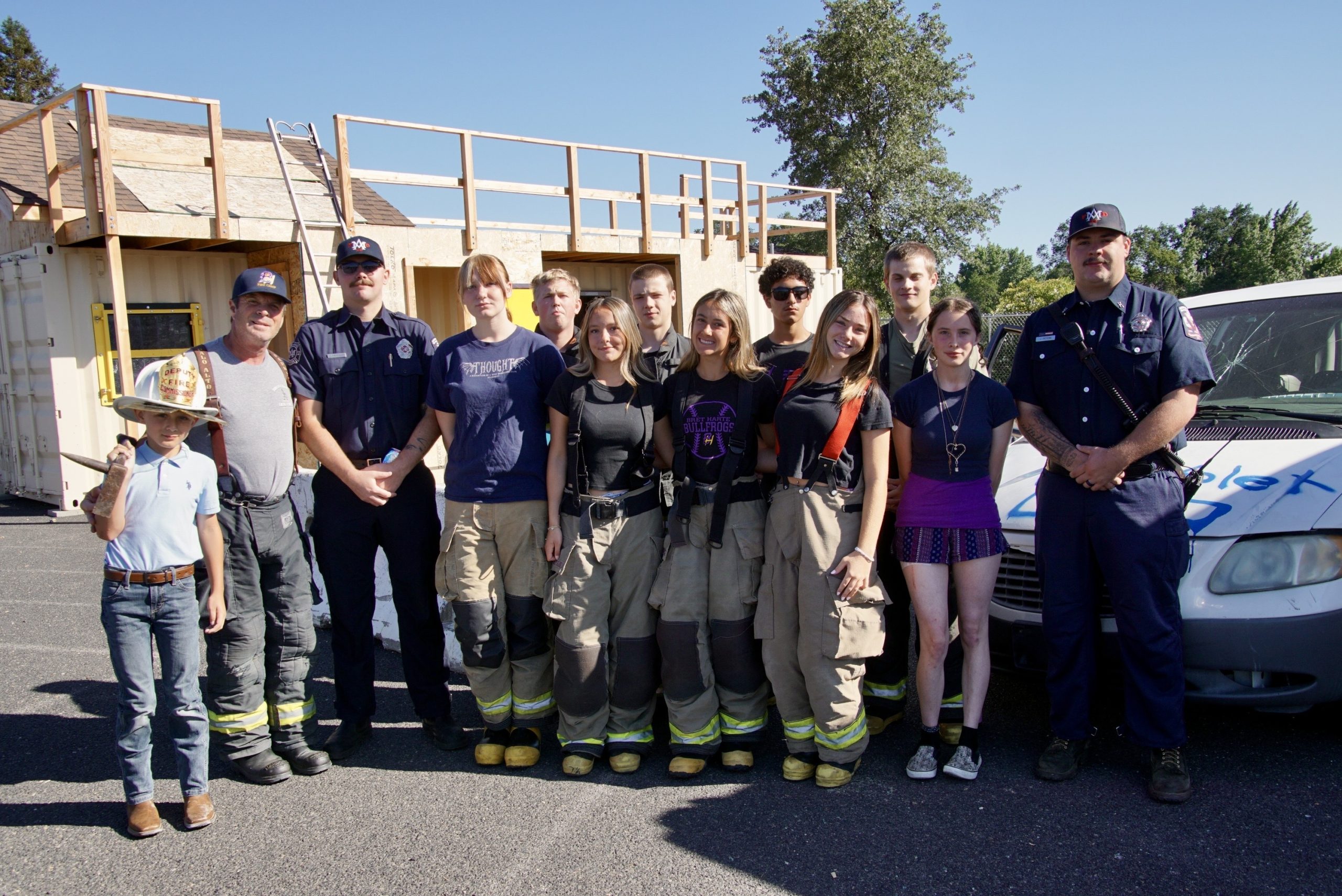

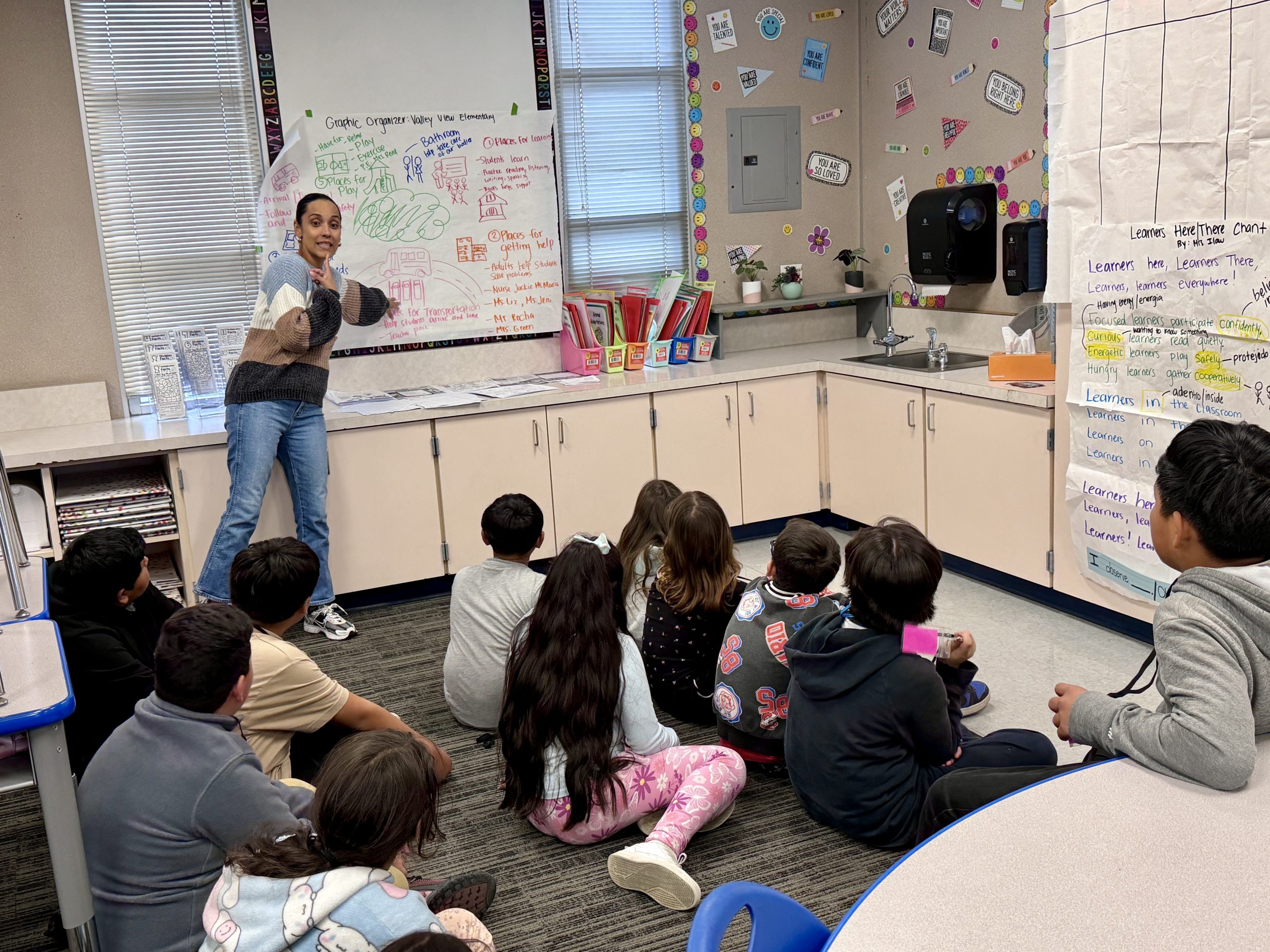
Nuview Union School District (NUSD) is a small local educational agency in Nuevo, an unincorporated area in Riverside County nestled between the City of Riverside, Palm Springs and Temecula. According to district leaders, NUSD serves about 2,200 students — 90 percent of whom are English learners, foster youth or are eligible for free or reduced-price meals.
Research, state and national data show these student groups were among those most impacted by the pandemic both academically and at home. Such outcomes were no different in NUSD, but according to officials, the district’s Beyond the Bell Program is turning things around by improving student outcomes, teacher morale and more.
As the largest employer in Nuevo — a town of under 7,00 people — NUSD’s emphasis on its Beyond the Bell programming is even more valuable, as the district prioritizes hiring from within the community, thereby allowing it to invest back into the community it serves.
CSBA Public Affairs and Community Engagement Representative (PACER) Denisse Lopez received a firsthand look at some of the program offerings and spoke to Erica Williams, NUSD director of Educational Services and Expanded Learning Opportunities Program (ELO-P) to learn more about how the Beyond the Bell program is supporting the 340 students that participate from the district’s two elementary schools and middle school. CSBA is recognizing the work of small districts through the Small Schools, Big Ideas blog series.
The following conversation has been edited for length and clarity.
Can you briefly explain how the program works and why it was started?
The Beyond the Bell Program was started in response to receiving ELO-P funds. When I started this position, we had a number of different programs going and we were partnering with some companies, and we decided that we could provide one solid program utilizing our employees. And so, in the fall of 2023, we started Beyond the Bell at three of our sites — two elementaries and a middle school. We provide after-school intervention and enrichment each school day and 30 additional non-school days throughout the year. The 30 additional days are interspersed throughout the school year on Saturdays and the summer. These dates include intervention, enrichment and field trips for our students.
What short- and long-term outcomes would your LEA like to see among students who participate in the program?
We would like to see growth for our students, both academic and social-emotional growth. Our short-term outcomes are to provide a place for students to have daily intervention and enrichment. In a rural area, there are not many opportunities for students to participate in local enrichment. We work to provide those for students from physical activities and cooking to learning to play a musical instrument. Long term, we would love to see the intervention component show in student success. Our teachers provide the intervention component for the students. Our thoughts are, ‘Who better to provide intervention than the staff that works with our students during the school day?’
What challenges has NUSD experienced when it comes to the program and how did you overcome them?
One challenge we found in the program when we first started is that students were hungry. A nine-hour day is long for a student, especially for those who eat lunch at 11 a.m. and stay until 6 p.m. Last year, we started a supper program for students. Students are provided with supper each afternoon at the start of the program so that they’re able to fully participate and then go home without being hungry.
How has the district benefited from the program?
NUSD has benefited from the Beyond the Bell Program through improved school climate, increased student engagement and strengthened teacher morale. Our teachers come up with creative enrichment activities for the students to do. Something that started this year was new groups for our English learners — for our students that are newcomers. And that was brought on by the teachers feeling that they have a piece of this program. By offering meaningful enrichment opportunities and additional support for students outside of the regular school day, the program has contributed to more positive student behavior, enhanced relationships between students and staff, and a greater sense of community across school sites.
What are the plans for the program moving forward?
We’re hoping to see it grow. We’re always looking for more students. We’re looking for new activities. We plan to partner with a company to provide additional opportunities for our students where a virtual teacher will be able to bring in some more enrichment opportunities while we have our own district staff in the room to provide the supplies and help the students as they do new activities like gardening or Dungeons and Dragons, and there’s an escape room that they’re going to get the opportunity to do. Our plans for the future also include adding a specific intervention curriculum to better measure the program’s impact on our students.
What advice do you have for other small LEAs that want to establish a program like yours?
Dream big! We had a vision for what we wanted for our students, and we continually work to provide that for them. Look at the needs that you have for your families and for your students, and then look at those around you in the community. Who better than the people that are vested in the community and the teachers and the classified staff to help support the program and support our students?
Who should other small LEAs contact with questions and/or to schedule a visit?
Erica Williams, director of Educational Services and ELO-P: (951) 928-0066