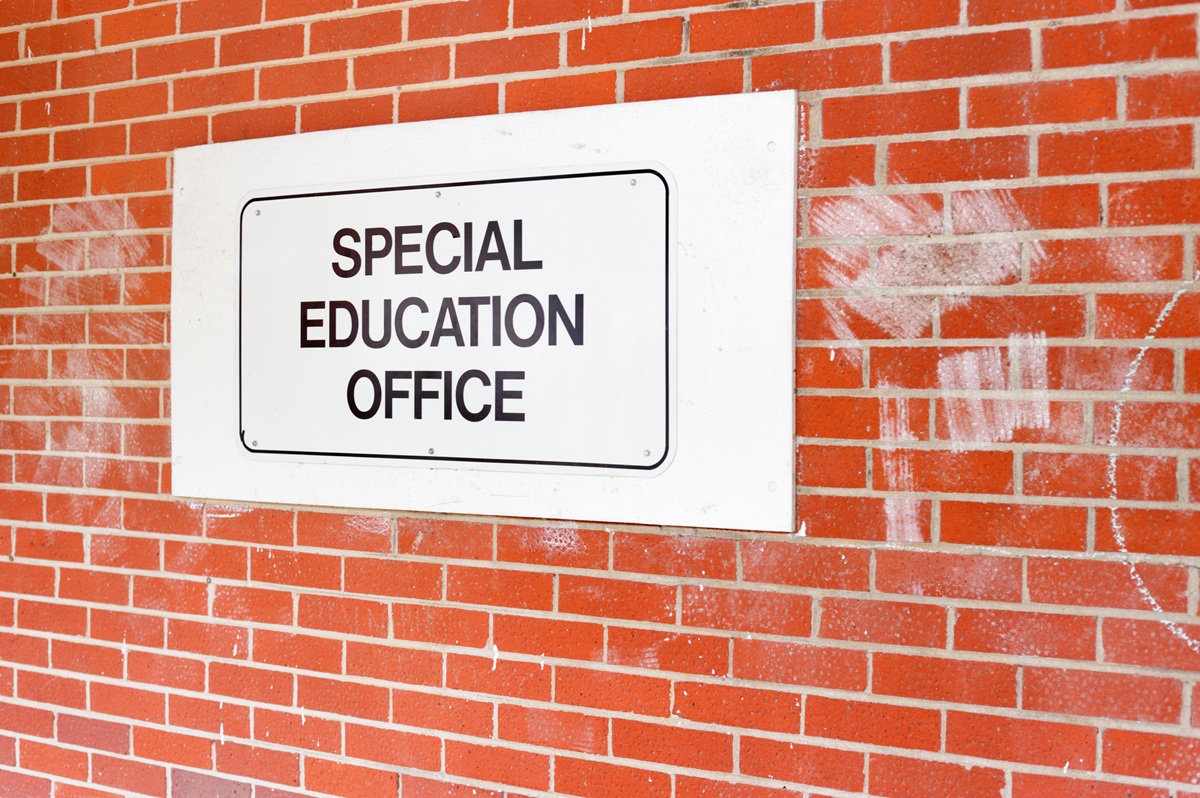

Nearly all states and about half of school districts reported special education teacher shortages in 2023–24, but turnover patterns vary, meaning state and district leaders need tailored policy responses that address local conditions rather than one-size-fits-all solutions, according to a recent study from the Brookings Institution.
Common approaches across the country to address high rates of turnover and shortages among special education teachers include adoption of statewide teacher residency and apprenticeship programs to boost supply; district salary increases and bonuses to improve retention; and supporting local efforts to improve working conditions that address both recruitment and retention.
“Chronic special education teacher shortages leave many students with disabilities without access to the instruction and support they need to meet learning and lifetime goals,” the report states. “Policymakers have therefore been developing a flurry of new policies and programs to enhance special educator recruitment and retention. Given the reported urgency and breadth of the special education staffing challenges states face, it might be tempting to believe that all states and districts face the same staffing challenge and could adopt similar solutions.”
However, it continues, “varying patterns across states — and for different communities within the same state — suggest the need for policy responses targeted to state and local needs.”
Using state longitudinal data from seven states (Hawaii, Indiana, Massachusetts, Pennsylvania, Texas, Virginia and Washington), researchers looked at the composition, distribution and stability of the special education teacher workforce between 2017–18 through 2022–23.
Key among their findings was that different states face different special education teacher turnover problems. For example, states like Texas and Virginia with high overall turnover rates may need immediate, universal interventions to keep more special education teachers in their positions, while those with large gaps in turnover rates by school poverty or urbanicity, such as Pennsylvania, may respond better to policies that target special education teachers working in these settings.
“As states consider a wide array of innovative policies, we recommend that they both: 1) Pay close attention to data on how special education workforce challenges manifest in their specific context; and 2) evaluate how effective these policies are in their local contexts,” the report concludes.
California’s shortage and efforts to address it
Like most states, California has experienced a persistent teacher shortage, with many local educational agencies reporting difficulty filling vacancies with fully credentialed teachers, especially in special education and other high-need subjects.
“The decline in the number of credentialed special education teachers continues to worsen. Between 2020 and 2024, the number of credentials earned to teach special education decreased by almost 600 across California, according to data from the California Commission on Teacher Credentialing,” according to reporting from CalMatters. “The number of temporary permits and waivers granted by the commission increased by about 300 during the same period.”
To help address this, legislators have budgeted millions of dollars in recent years to support pathway programs, residency programs and more to help bolster the pipeline of educators in California.
In some cases, those investments appear to be supporting increasing interest among people in becoming special education teachers.
“Teacher residency is becoming an increasingly popular pathway in California, with more than 5,000 candidates in residency programs in the past three years,” according to a fact sheet released in 2025 by the Learning Policy Institute. “Between 2020 and 2023, nearly 1,400 residents were supported by [Teacher Residency Grant Program] funds. Most residents were people of color, and many pursued credentials in severe shortage areas. Of the residents enrolled through 2023, around 40 percent were enrolled in special education.”
Whether or not such progress will continue remains to be seen. Last year, Trump administration officials canceled four California programs under Part D of the Individuals with Disabilities Education Act totaling roughly $3.5 million for special education teacher training and other programs.