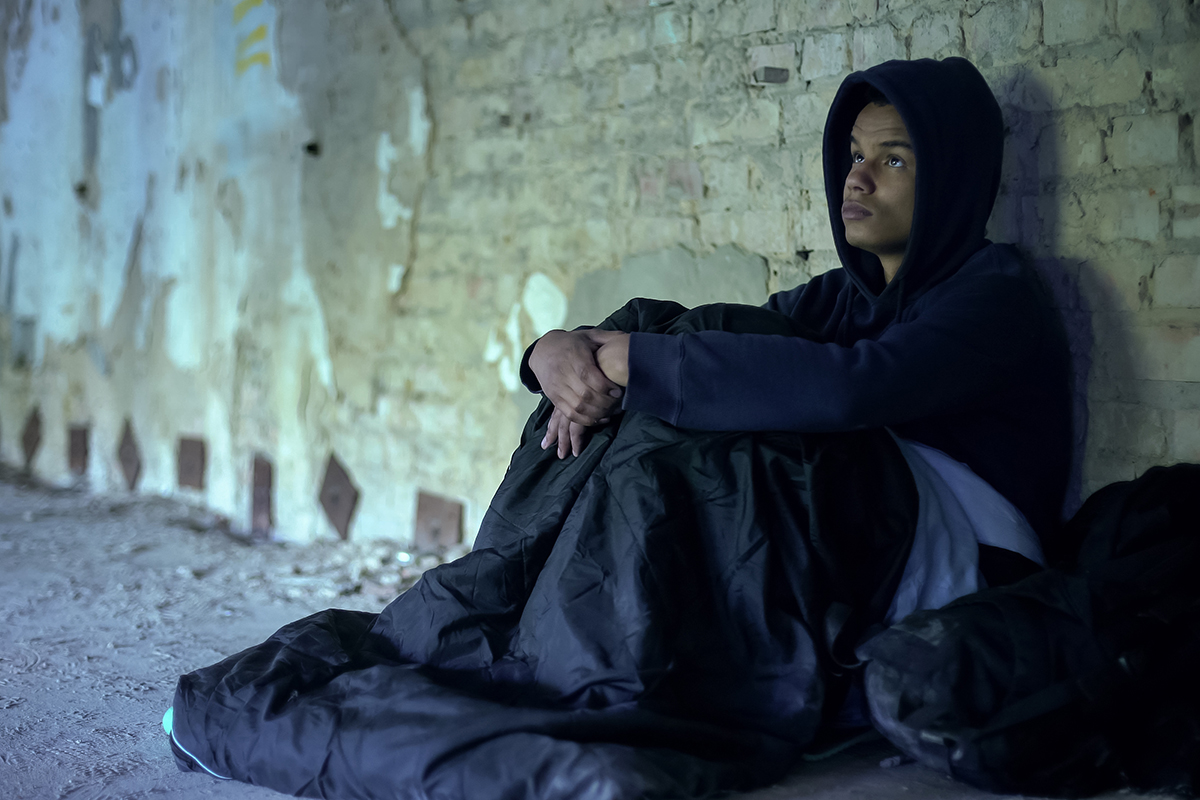


The recent report Preventing Youth Homelessness in Highly Marginalized Populations considers causes of youth homelessness and potential prevention strategies for five groups of young people who are disproportionately represented among those experiencing homelessness, and underrepresented in research and policy conversations.
The research project by Youth and Allies Against Homelessness at the UC Berkeley School of Public Health and Covenant House International — which provides shelter and support for young people facing homelessness and trafficking survivors — included a survey, a review of existing literature and a focus group with Covenant House youth who had experienced homelessness.
The populations covered by the report are Indigenous youth; immigrant youth; Latine youth; pregnant and parenting youth; and lesbian, gay, bisexual, transgender, queer and two-spirit youth of color (LGBTQ2S+ YOC). Two-spirit is a term “used to describe a North American Indigenous person whose gender identity is a mixture of male and female or masculine and feminine, or is a different gender that is not male or female,” according to the Cambridge Dictionary.
Understanding the experiences of these groups “is critical to creating equitable and effective solutions,” the report states.
Among the key takeaways detailed in the report is that increased investments in services that meet the needs of these groups at the local, state and federal levels could effectively prevent homelessness across youth populations.
“Participants emphasized the importance of culturally inclusive and affirming supports, such as Indigenous-led programs, bilingual education and employment services, safe and gender-affirming shelters, and flexible financial assistance,” according to the report. “Investing in these tailored, youth-centered approaches is essential to removing barriers to social mobility, promoting stability, and preventing homelessness among highly marginalized young people.”
Other findings included:
- Prioritizing youth partnership when planning and implementing prevention initiatives that leverage the strengths and meet the needs of all youth
- Providing tailored housing programs and services to make sure youth can live in environments that feel safe, secure and culturally responsive
- Nurturing trusting, supportive, compassionate relationships between youth and family members and care adults
- Providing tailored and accessible youth-centered mental health services and resources responsive to young people’s experiences
- Implementing interventions that give youth access to structures of opportunity by addressing barriers they face to social and economic mobility
- Enacting structural changes that reverse stigma, systemic exclusion and discrimination of highly marginalized groups
The report also has information specific to each population. Read it here.