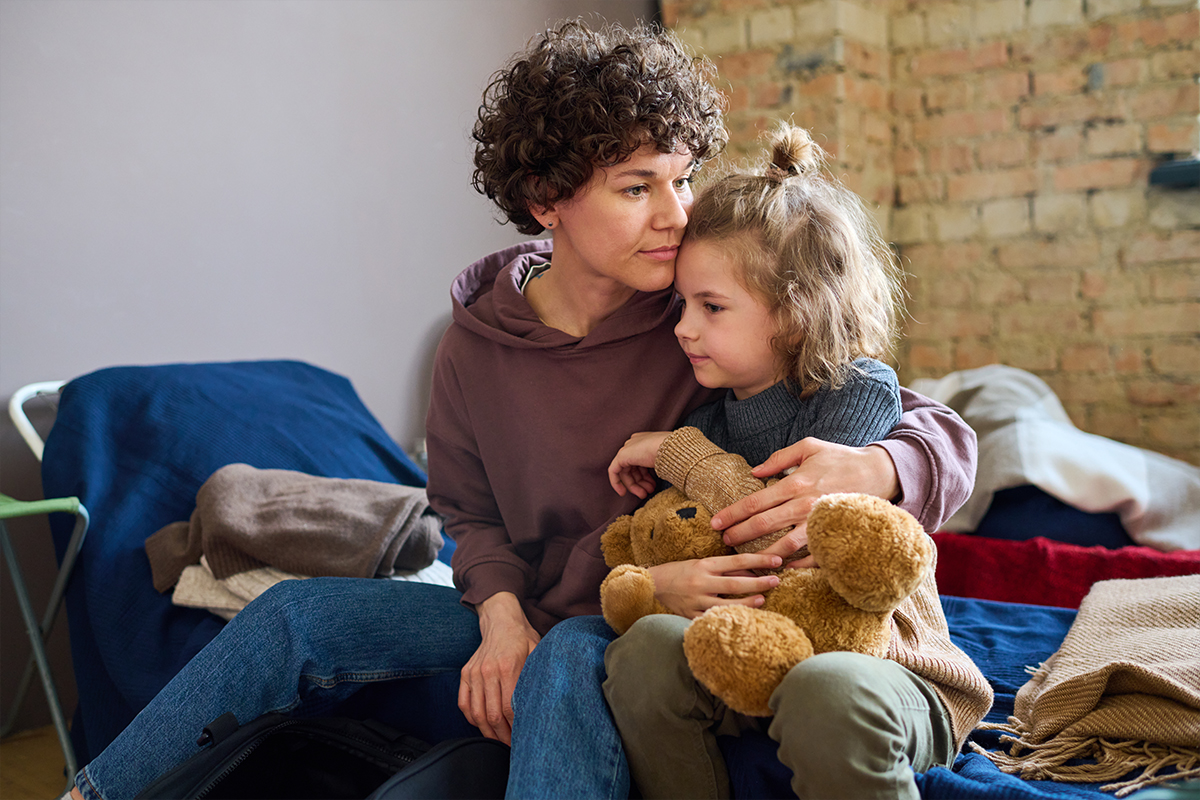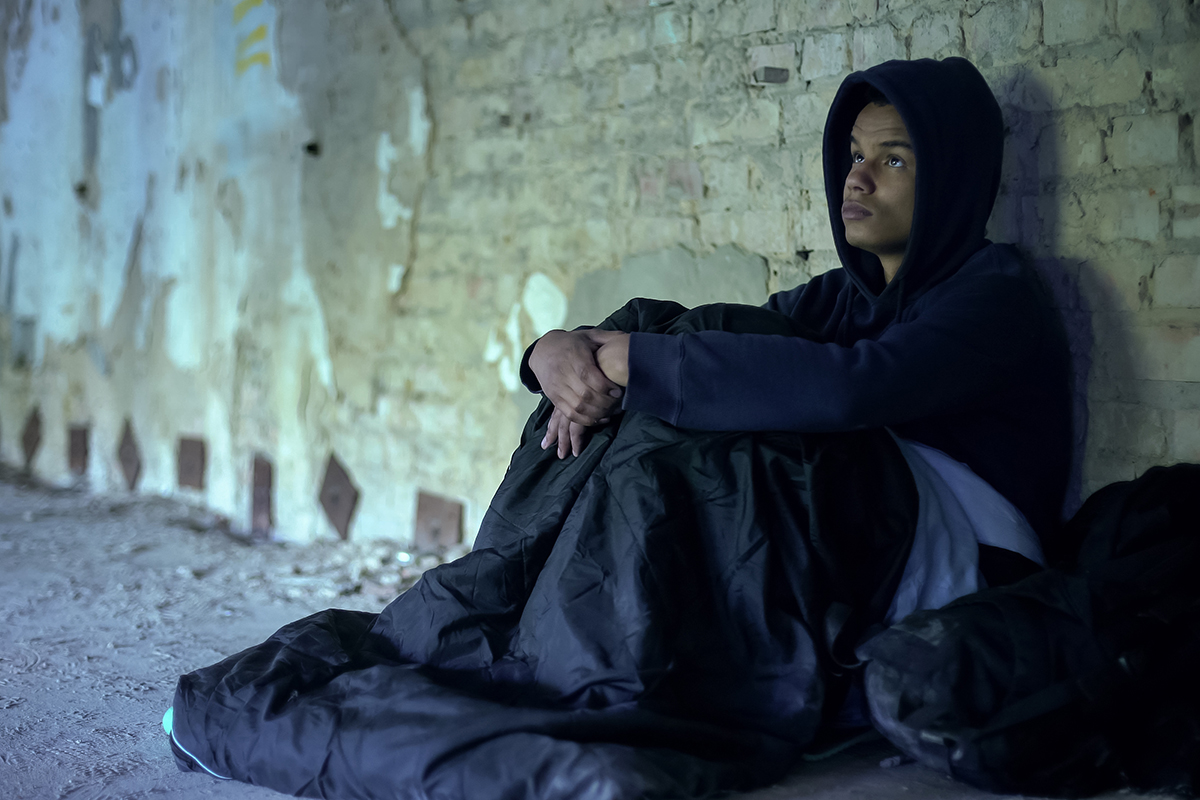


For the three in 10 California children ages 12-17 who report symptoms that meet the criteria for serious psychological distress, the Children and Youth Behavioral Health Initiative and the California Community Schools Partnership Program are crucial lifelines. The two programs invest a combined $8 billion in the mental health of children and teens, including school-based services.
A recent report from the Public Policy Institute of California provides an up-to-date picture of teen mental health and school-based services, as well as a look into how local educational agencies are spending this money to support young people.
Because about half of all lifetime mental health conditions emerge by age 14, early identification and intervention are essential, researchers stated, and schools provide a critical touchpoint to those students who may not otherwise have access to support.
“Despite rising levels of need, adolescents across the U.S. and in California face widespread challenges accessing mental health services. In California, the shortage of providers and their unequal distribution across different communities and regions are key barriers,” according to the report. “Nevertheless, strong family and school connectedness during adolescence can have lasting protective effects on mental health, behavior, and overall well-being into adulthood. Teens spend most of their time at school, which makes it the ideal place to identify mental health needs and deliver services.”
Embedding services directly into the school environment is an effective way to increase access and meet students where they are, and studies have found that early intervention and treatment in schools can lead to improvement in academic outcomes and student well-being.
In addition to chronic sadness, 14.5 percent of teens report harboring suicidal thoughts, with teens of color — particularly Native Hawaiian/Pacific Islander and multiracial students — reporting higher levels of distress than their white peers. Other findings related to young people’s mental health in California show that:
- Starting in the early grades and persisting through high school, girls report substantially worse mental health than boys
- Teens in the poorest schools are about 8 percentage points more likely to report chronic sadness/hopelessness compared to those in the richest schools
- Teens in rural schools have worse mental health than their more urban counterparts, yet rural districts still lag behind their more urbanized counterparts in terms of mental health-related spending
Researchers noted that rural districts’ lower spending levels are often the result of capacity in terms of available mental health providers, which are more limited in the state’s rural regions. However, all LEAs may soon begin to struggle in sustaining the services offered on campus as one-time pandemic funding sources run dry and the state’s budget challenges mount, according to the report.
Currently, services throughout the state are often provided through school-based health centers (SBHCs) and wellness centers (WCs) located on or near school campuses that offer students a range of health services, including primary care, mental health counseling and other services such as dental care and optometry.
About 400,000 students attend schools with SBHCs/WCs; 72 percent of whom are in high-poverty schools and 92 percent that attend schools in cities and suburban areas. Out of the 365 SBHCs and WCs statewide, 296 offer mental health services.
Community schools, “where educational institutions collaborate closely with teachers, students, families, and community partners to align resources and enhance student outcomes,” have also become more popular since the onset of the pandemic, according to the report. “Well-implemented community schools help in improving student outcomes and developing a positive school climate, which is associated with positive student mental health outcomes.”