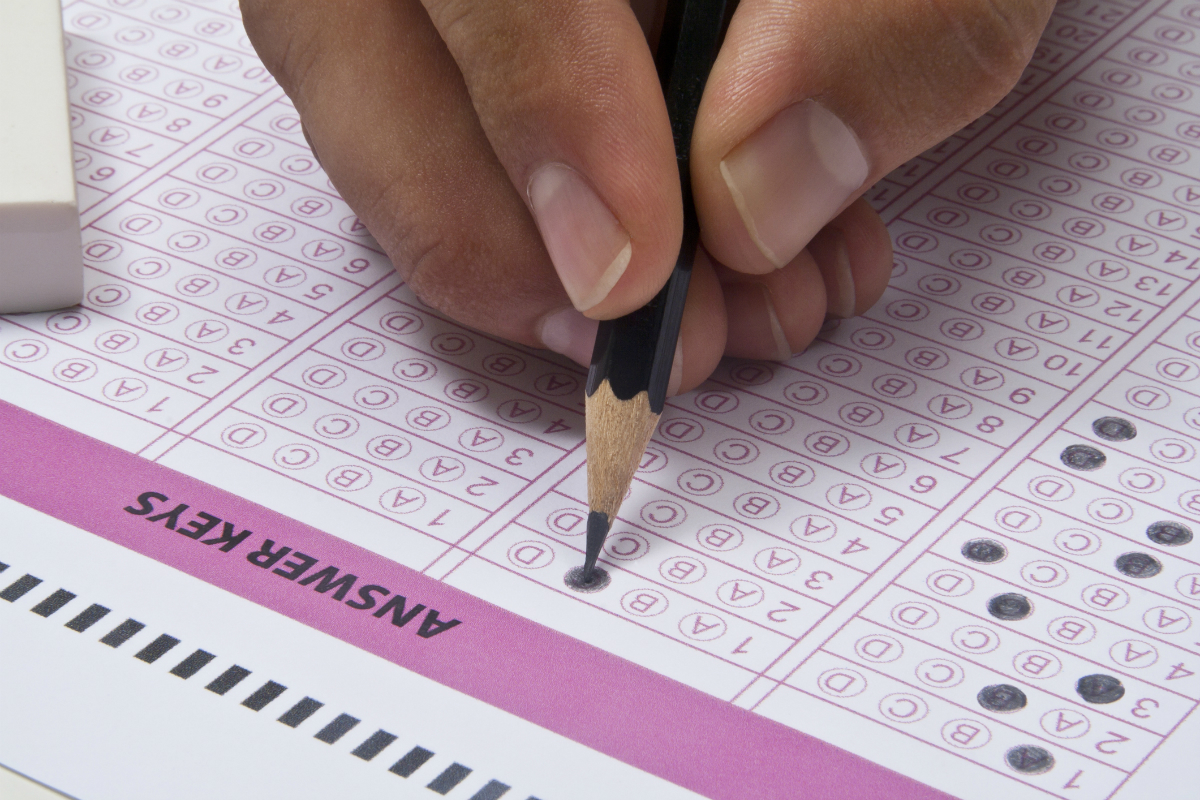
An Oct. 9 webinar hosted by CSBA featured initial analysis of results from the 2025 California Assessment of Student Performance and Progress (CAASPP) and CSBA issuing a challenge to the state to create a state-level plan focused on what state agencies and policymakers will do differently to better support local educational agencies in closing the achievement gap.
Category: Closing the Achievement Gap
Closing the Achievement Gap
Recommendations to improve middle schoolers’ reading abilities
The Northwest Evaluation Association’s (NWEA) recent brief, “Policy recommendations for addressing the middle school reading crisis,” provides insights on how state and local educational agency leaders can improve literacy outcomes.
Mayors play an important role in supporting local schools, new guidance can help
While most mayors in the U.S. don’t directly oversee their local school districts, they still have an important role to play in helping students succeed through direct support, supporting strategic partnerships and public advocacy. New guidance from the National League of Cities details how city […]
Napa Valley USD partnership encourages rural, small-town students to pursue top colleges
During the 2024–25 academic year, Napa Valley Unified School District (NVUSD) expanded its students’ access to higher education through a partnership with the Small Town and Rural Students (STARS) College Network.
Cooling schools to protect students’ cognitive abilities over time
The article “Cumulative exposure to urban heat can affect the learning capacity of students and penalize the vulnerable and low-income young population: A systematic review,” which was recently published in the open-access, peer-reviewed journal PLOS Climate, considered seven studies spanning 61 countries and roughly 14.5 million students on the subject as communities around the globe continue to face more extreme climate-related event.
Webinar spotlights methods of supporting multilingual learners one conversation at a time
Multilingual learners are one of the fastest growing segments of the U.S. student population, with nearly one in five students in public schools across the country speaking a language other than English at home. Developing disciplinary literacy is vital to equipping students with the skills […]
New resources offer equitable approaches to improve literacy
A recent report from EdTrust that compiles related-resources on fostering an equitable approach to improving literacy, provides recommendations for state and local actions to address subpar literacy rates.
Preparing students to succeed in Algebra I
Too many teens enter Algebra I with significant gaps due to instructional inconsistencies and interruptions in their mathematics learning during their middle and elementary years, but new research provides recommendations on how to turn the trend around. A report released in May by TNTP, an […]
States must take an active role in collecting and disseminating data crucial to supporting students’ long-term outcomes
A new report from the Data Quality Campaign (DQC) calls on states to ensure their data systems enable access to information that helps young people navigate postsecondary transitions into education or the workforce. Released March 27, the resource, Powering Potential: Using Data to Support Postsecondary […]
Students in foster care face many of the same academic disparities they did a decade ago
A new report from WestEd, Revisiting California’s Invisible Achievement Gap: Trends in Education Outcomes of Students in Foster Care in the Context of the Local Control Funding Formula, highlights the persistent disparities that young people in the foster care system face while in school.