
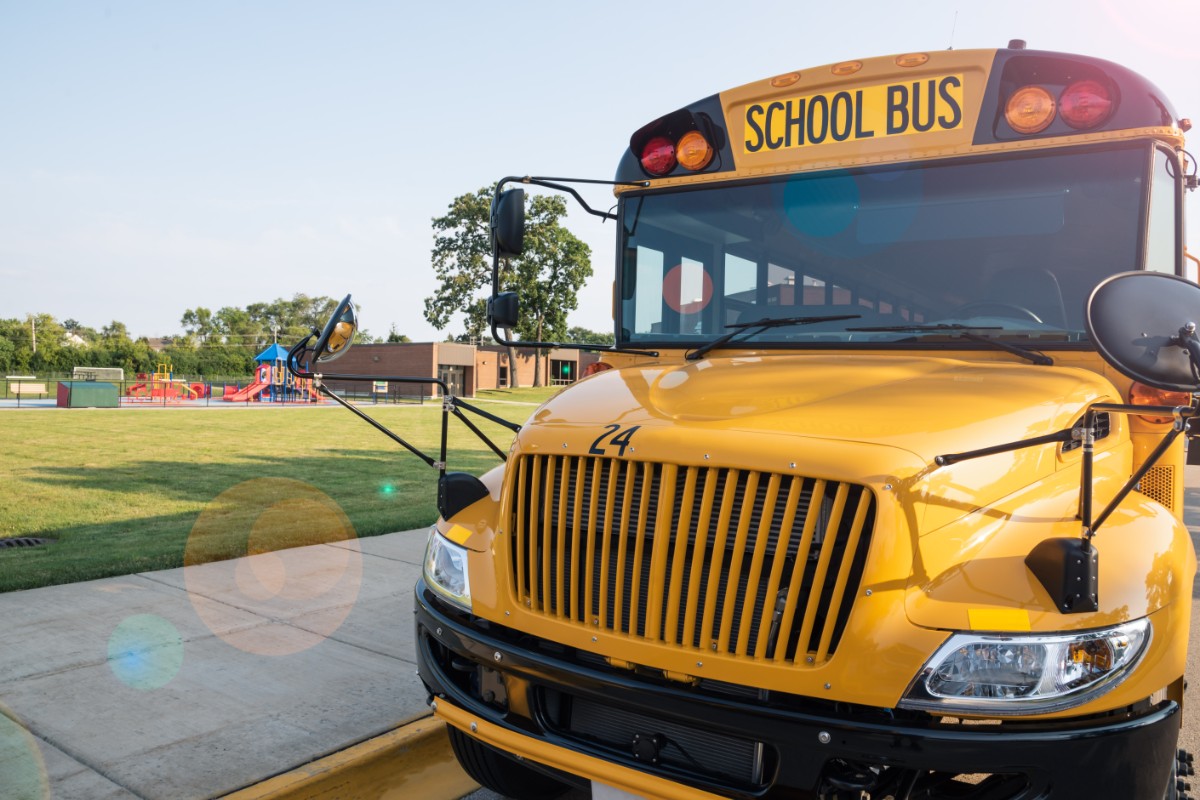
Some progress has been made in addressing the national bus driver shortage but K-12 schools are still impacted, according to an analysis by the Economy Policy Institute.
The job can be difficult to recruit for as it typically requires a split-shift schedule and has been associated with low wages that leave employees more at risk for experiencing poverty than those in other fields.
As school systems work to address transportation-related challenges, recent growth is being attributed in part to an increasing hourly wage. In August, the median hourly wage among school bus drivers was $22.45, which is a 4.2 percent increase from the prior year with inflation considered. The analysis calls this a “much-needed investment in this critical segment of the education workforce.”
Overall, rates of employment for the profession have yet to rebound to pre-pandemic levels. While there were an estimated 223,252 school bus drivers employed by state and local government bodies and the private sector in August 2020, there were only 202,076 as of August 2025, representing a 9.5 percent decline. However, employment is much higher than the low of 153,039 in January 2021.
Those from the private sector account for the largest decrease in employment in recent years though they are a small share of those employed overall.
“In the last year, school bus driver employment has grown modestly by around 2,300 jobs,” according to the analysis. “This small increase (1.1 percent) is a step in the right direction, but the trend of the last few years remains mostly flat. Employment growth has been much stronger in the public sector than for privately employed bus drivers. State and local government school bus driver employment has increased by almost 9,900 since the fall of 2024, but private employment has fallen by 8,200 jobs over the same period.”
A lack of school bus drivers, which often leads to reduced routes and services, can create barriers to student attendance, especially for the most vulnerable students, and cause stress for working families.
“These types of cuts can eliminate a student’s only way to attend school, including for students with disabilities who rely on buses to attend schools with enhanced special education services,” the analysis states. “Inconsistent bus schedules and routes can also contribute to absenteeism and missed school meals. Roughly half of all school children use a school bus to get to school, meaning a healthy public education system requires investment in these key support staff.”
The analysis notes that bus drivers aren’t the only shortage of education support professionals still recovering from pandemic-era declines. Employment for custodians, for example, is 12.4 percent below where it was in 2019.
The loss of COVID relief funds and a changing federal landscape are two factors that may threaten progress made.
“A healthy K–12 public education system needs strong bus driver wage growth to continue to bring more workers into the occupation, but instability at the federal level could jeopardize those trends as school districts scramble to account for changes in funding,” the analysis concludes. “Bus drivers play a vital role in providing a safe, supportive, and effective K–12 education system. In the face of tremendous federal threats, state and local lawmakers must do everything they can to shore up resources for public schools.”