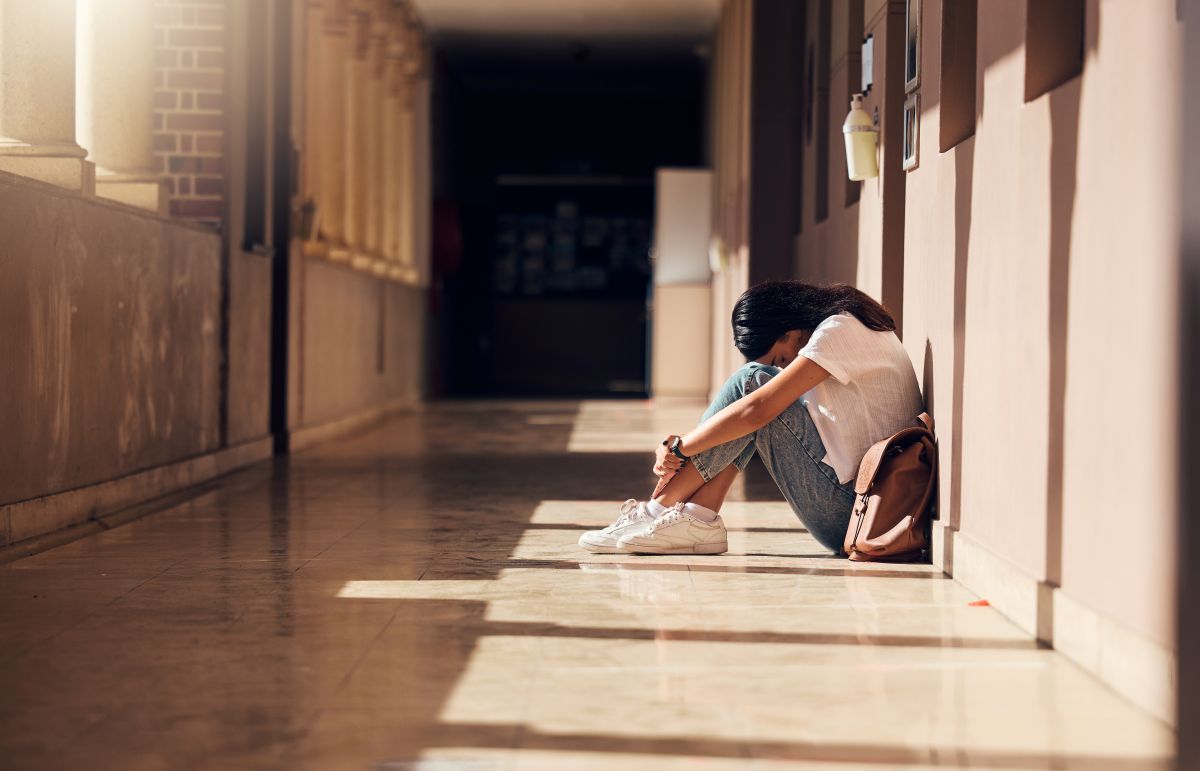


As Suicide Prevention Month is observed in September, programs like Laguna Beach High School’s Student Support Collective (SSC), a peer-led network aimed at promoting overall student well-being, highlight the importance that safe and supportive relationships can make for young people year-round.
More than three dozen students who participate in the SSC are trained in mental health awareness, active listening and skills that help foster on-campus connections. The initiative was launched in 2020 to address hardships students faced during pandemic-related disruptions — such as mental health struggles, loneliness and isolation — and has continued to evolve to meet student and community needs.
SSC student leaders are chosen via a nomination and application process each spring and interviewed. Alexis Mele, a school counselor and co-advisor of the SSC, explained that those selected complete an intensive summer training that covers topics including suicide prevention, “specifically Question, Persuade, Refer (QPR) techniques, mental health first aid and campus referral protocols.”
Megan Humphreys, who serves as a school social worker and SSC co-advisor, said that QPR is an internationally recognized suicide prevention model. “It teaches students how to recognize early warning signs, ask direct and compassionate questions, persuade a friend to accept support, and connect them with trusted adults or professionals. Because so many young people encounter peers struggling with mental health or self-harm, QPR provides them with clear, actionable steps rather than leaving them to navigate these heavy moments alone,” Humphreys said.
Throughout the academic year, Mele added that the collective leads wellness initiatives and facilitates “connections groups” and events like “no one eats alone” lunches to bring students together, establish familiarity and encourage organic friendships.
The SSC meets weekly to build rapport student leaders, plan for events (such as targeted classroom prevention activities like a freshman bullying prevention lesson that sets the tone for students’ high school experience) and take part in ongoing training opportunities.
“Having trained peers on campus gives students a safe, approachable entry point where student leaders can spot warning signs early, break down the stigma around mental health and help bridge that gap to connect their classmates with our school counselors before a small struggle turns into a major crisis,” Mele said. “Students are the eyes and ears on our campus and having them trained in suicide prevention protocols and referral processes allows for us to have additional safeguards to ensure students get connected to resources and get the help that they need.”
Importantly, student leaders are also trained to recognize their own boundaries and limitations, as they aren’t therapists or counselors, and know when to enlist their adult counterparts.
Quantitative and qualitative data backs the positive impact that the program has. In 2025–26, 79 percent of students who participated in the school’s annual needs assessment survey indicated that they would be open to or comfortable with reaching out to an SSC member when facing a challenge.
“In multiple instances, our SSC leaders have identified peers experiencing suicidal ideation, allowing our counseling staff to step in immediately with risk screeners and support that might have otherwise gone unnoticed,” Humphreys said.
Humphreys emphasized the value of in-person connections in today’s environment. “Kids today are isolating so much more, often relating to each other through screens and really struggling to make those genuine, face-to-face connections,” she said. “The Student Support Collective bridges that gap by fostering real community and building a true culture of care across our school.
“What makes the Student Support Collective so special is that it’s built on shared experiences rather than a hierarchy. Our students aren’t acting as counselors or top-down mentors — they’re just peers showing up with real care and connection,” she continued. “That peer-to-peer approach normalizes what students are going through, breaks down mental health stigma, and brings together kids who might never have crossed paths otherwise.”
The SSC model is one that Mele and Humphreys created and have shared with local educational agencies in California and around the country. It can be replicated and tailored to meet local conditions. They emphasized how community support, from school and district level leaders to SchoolPower, the local education foundation, is a key component of the SSC’s success.
Overall, Humphreys underscored how crucial it is for schools to have clear and practical systems in place to support students who may be struggling. She suggested LEAs look into QPR or other suicide prevention training methods for students.
“I’ve had multiple students in my career come to me because their friends were suicidal and they simply didn’t know what to do with that information. This is happening in real life, every day, and we have to train our kids on what signs to look for and exactly what steps to take,” Humphreys said. “Suicide Prevention Month is also the perfect time to make sure students know what resources are available and to start thinking about peer support programs.”
State-level developments
Assembly Bill 727, which became effective July 1, 2026, newly issued and replacement student IDs for those in grades 7-12 attending California public schools will feature The Trevor Project’s LGBTQ+ suicide hotline information in addition to the 988 Suicide & Crisis Lifeline, which state law has required since July 2025.
Additionally, this year Gov. Gavin Newsom signed AB 2003, which will permanently provide free, online suicide prevention training in the state for students ages 13 and older and all K-12 teachers, administrators and families.
“In addition to providing permanent training, this new law would also compile suicide risk screening data statewide. This could help inform policy, prevention planning and strategies, and support,” according to a press release from Assemblymember Marc Berman (D-Menlo Park), the bill’s author.
The California Department of Education has youth suicide prevention resources available on its website.