

By Morgan Garvey, CSBA Education Policy Analyst
On a warm spring day in the Central Valley, students gathered to play baseball at the ballpark. They might not have been able to sign up for the team if it weren’t for the partnership Caruthers Unified School District established with the local league and some neighboring districts.
In exchange for lower registration costs, the district of nearly 1,700 students provides landscaping services to other participating schools. In small and rural districts across the state, leaders rely on creative strategies to provide resources in areas where size or geographic isolation could otherwise limit opportunities for students.
At a recent convening of CSBA’s Small School Districts Advisory Workgroup, members brainstormed approaches for building community partnerships. The group, comprising local educational agencies with an average daily attendance of under 2,500 students, meets monthly to discuss timely topics. In this meeting, the group shared strategies and insights because they recognized that small and rural LEAs may find it difficult to forge these partnerships due to a lack of access to nonprofits and other agencies.
Board member Zachery Ramos of Gustine Unified School District explained that it can be hard for businesses to justify financial contributions to school programs when they’re trying to pay their own bills. When a district establishes connections with nearby businesses, nonprofits, universities, government entities or community members, these partnerships can leverage key resources for students and their families. They can ease financial burdens on LEAs by providing materials, access to trained staff and specialty programming that would otherwise be too costly. Community partnerships empower LEAs to strike a balance between program costs and benefits.
John Quintanilla, Rosemead School District trustee and fellow member of CSBA’s advisory workgroup highlighted the critical nature of partnerships, noting that for small districts, they “are not a luxury — they are a necessity.” His district has sought partnerships with local businesses, nonprofits and civic organizations, like Kiwanis Club of Rosemead, among others. “We can expand opportunities for students while being responsible stewards of taxpayer dollars. Collaboration allows us to do more for our children without losing sight of fiscal responsibility and local priorities,” Quintanilla said.
Despite the challenges faced by small and rural districts, leaders from the field have found creative ways to engage with local entities. In fact, sometimes their small enrollment can work to their benefit.
Craig DeLuz, Robla SD board president and workgroup member, shared that he has found that nonprofits and other research organizations are often willing to work with small districts when piloting new programs, where the LEA’s smaller size is an asset to the piloting team. DeLuz also suggests building relationships with the local chamber of commerce, which can facilitate connections with local businesses.
At the meeting, members also shared how local nonprofit chapters may be willing to support school fundraisers, from Boys & Girls Clubs and food banks to clothing giveaways and mobile libraries. Susan Markarian, CSBA Past President and member of the Pacific Union Elementary School District board, shared that her agricultural community faces significant challenges in accessing outside services for students. “We are able to access some small-scale assistance from a local Lions Club, and Walmart has been willing to help occasionally with clothing needs for students; [however], the district still struggles to meet broader student needs because larger service networks and specialized providers are not readily accessible,” Markarian said.
Alternatively, rather than building relationships with businesses, some district leaders shared that they create partnerships with each other. Neighboring districts can be a valuable resource, sharing supplies, contacts, program improvement ideas and staff expertise. Some districts connect through a monthly convening of superintendents, who gather to share information, ideas and resources.
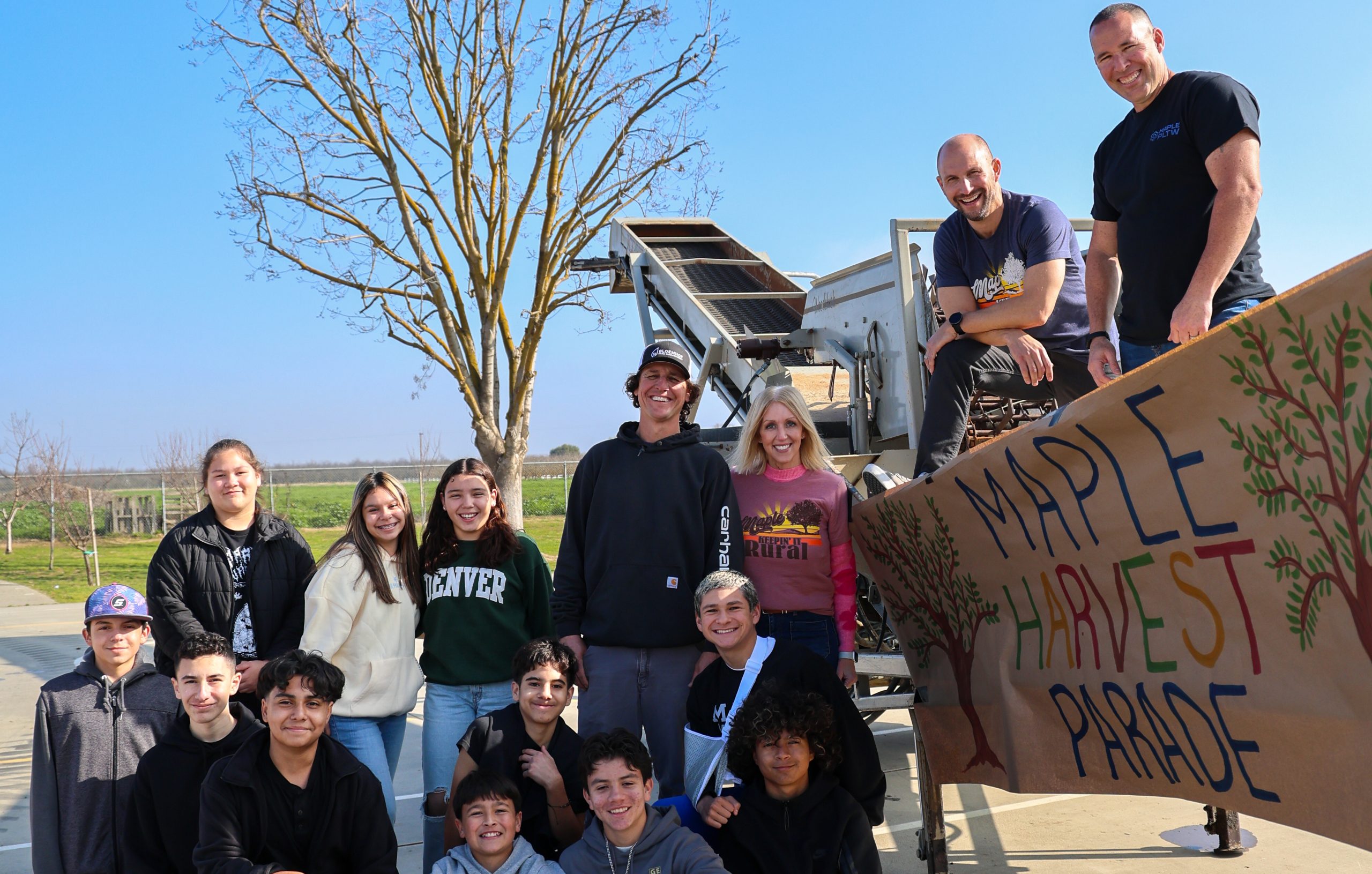
Bryan Easter, superintendent of Maple SD in Kern County and member of the workgroup, described the impact of forming a local consortium, noting that, “strong relationships between rural and small district superintendents are critical both for collaboration, but also for camaraderie.” Easter leads a group called the Westside Small Schools where 12 small school district superintendents within a 75-mile radius gather throughout the year. “We have leadership encouragement, presentations, share our needs, and many times end up working together with personnel, plans and best practices.”
Conversations like these can be an opportunity for board members to learn from their peers in a solutions-oriented setting. CSBA’s Small School District Advisory Workgroup offers leaders of small and rural LEAs a monthly opportunity for such partnership, supporting professional connections and surfacing creative solutions to the unique challenges that small LEAs face. For more information and resources related to small school districts and the advisory workgroup, please visit CSBA’s Small School District Resources webpage.