Research warns against perpetuating inequities to high-level math access

A recent report, Calculated Barriers: Examining the History Behind Math Inequities Facing Black Students, documents seminal events in the United States — including the nation’s history of policies and practices that restrict access and opportunity for Black people — that have constrained Black students’ access to quality math education.

New survey highlights teen struggles with AI-generated sexually explicit material

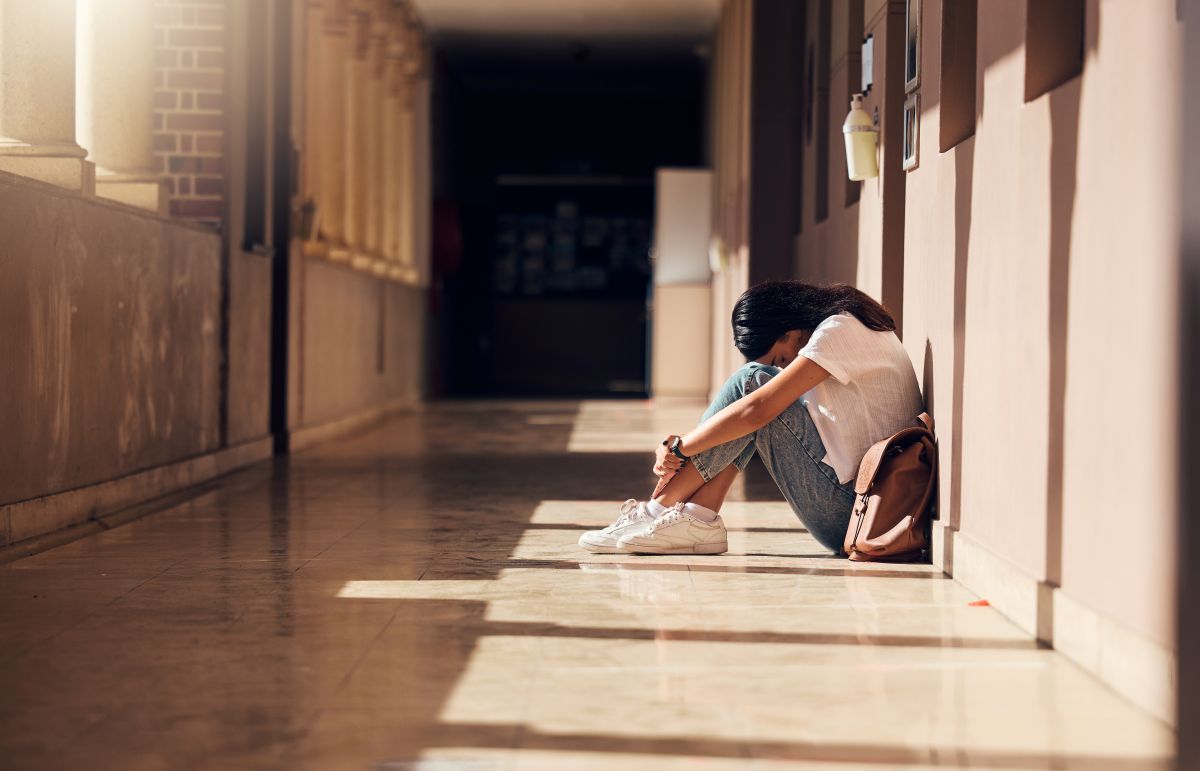
Nearly half of teens have already seen artificial intelligence (AI)-generated explicit sexual material, and almost a quarter have seen it depicting themselves or someone they know, according to new research from Common Sense Media’s Youth AI Safety Institute.

Immunization requirements for California students

National Immunization Awareness Month occurs each August, as families and school communities are busy gearing up for a new academic year and settling into the routines that will set them up for success. This preparation period offers the perfect opportunity for schools, as well as parents and guardians, to review student vaccination records, particularly at “check point” grades.

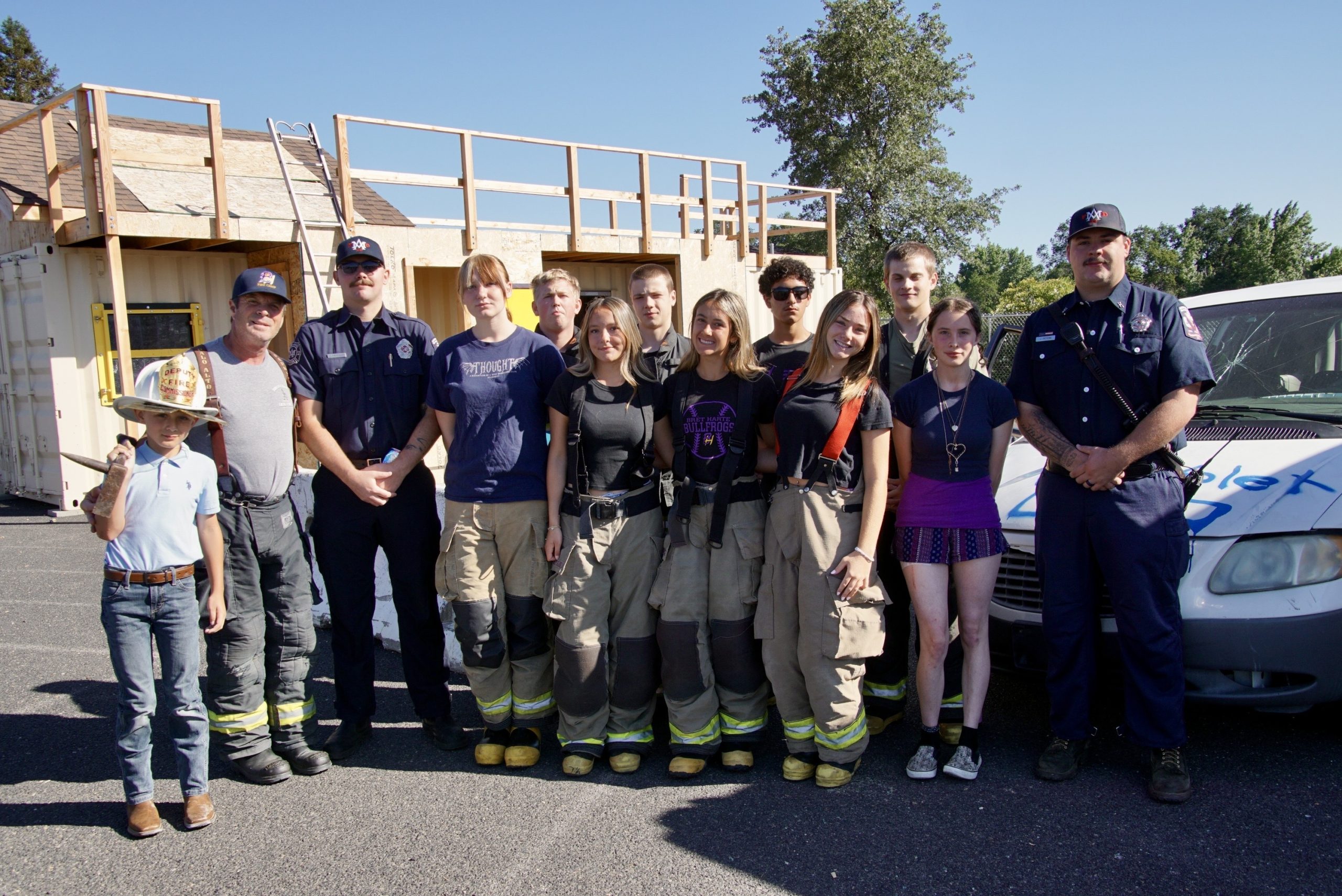
Small Schools, Big Ideas: Bret Harte Union HSD Fire Technology

Bret Harte Union High School District’s Fire Technology Program launched in 2022 to help prepare students for in-demand careers in fire and emergency medical services close to home. Located in a rural community surrounded by forest in Calaveras County, the program currently serves 30 of the approximately 600 students enrolled in the district.

Millions of children stand to lose access to free school meals from federal cuts. Researchers offer recommendations to help states fill the gap

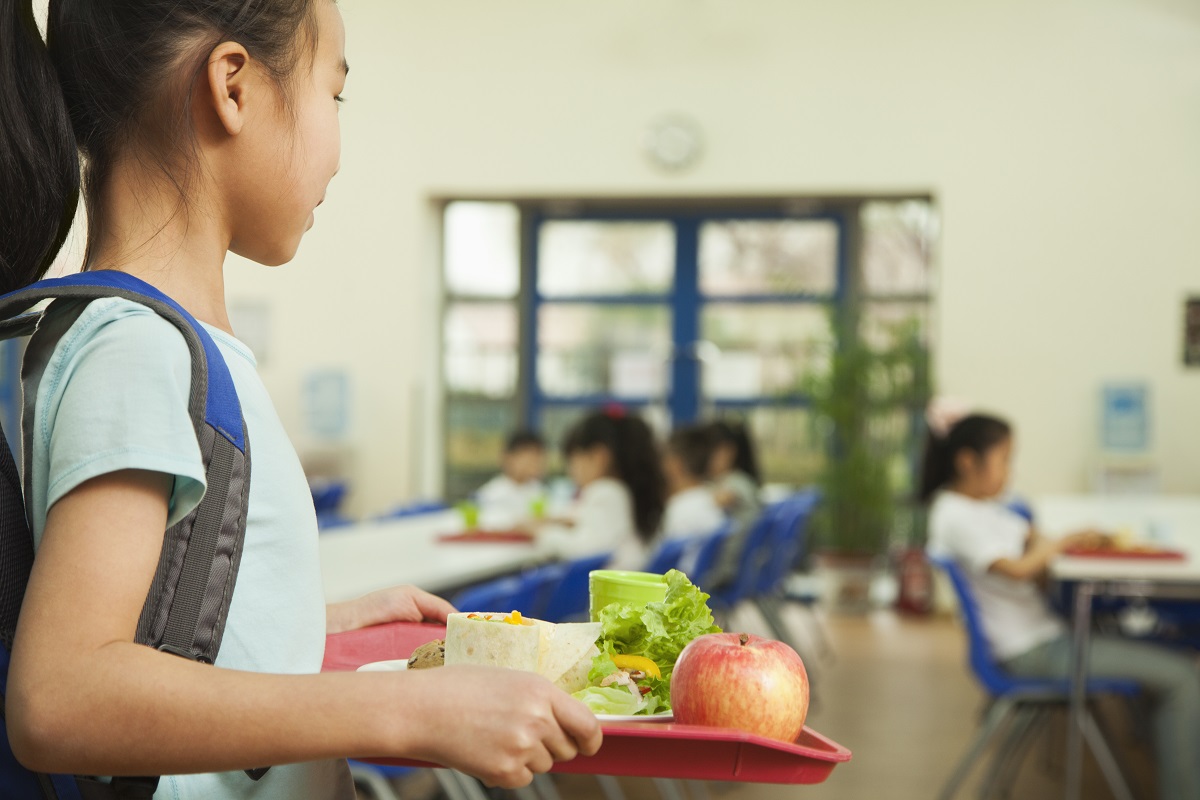
Students across the country could lose access to free school meals under cuts to funding and other policy provisions included in the One Big Beautiful Bill Act (OBBBA), according to a July 7 report from the Center for American Progress.

Secondary students are still being assigned full books by ELA teachers

In 2024–25, two-thirds of English language arts teachers at the secondary level (67 percent) intended to have students read between one to four full fiction or nonfiction books, according to the RAND Corporation’s May report Reading Full Books in Secondary English Language Arts Classrooms: Findings from the Spring 2025 American Instructional Resources Survey.